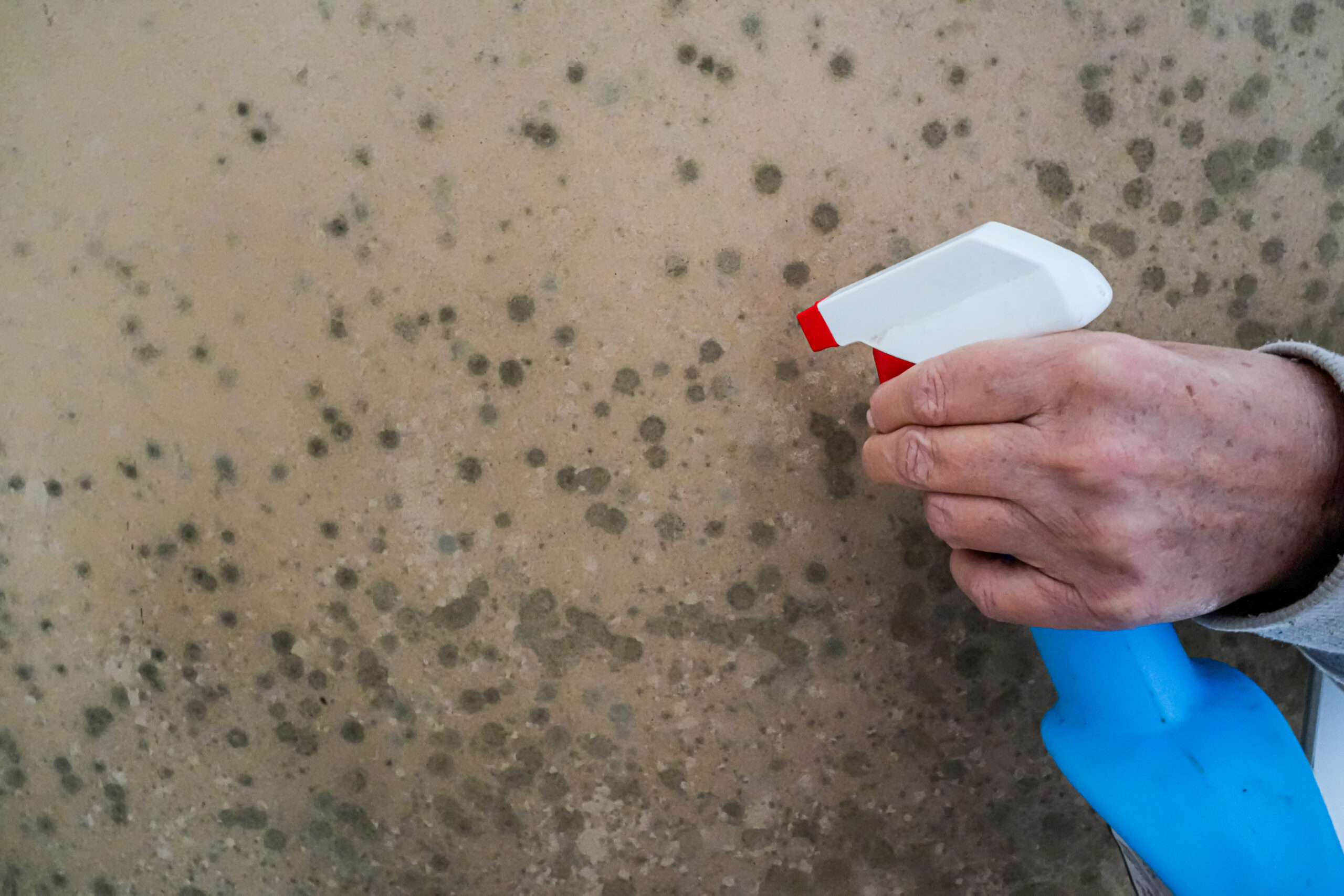
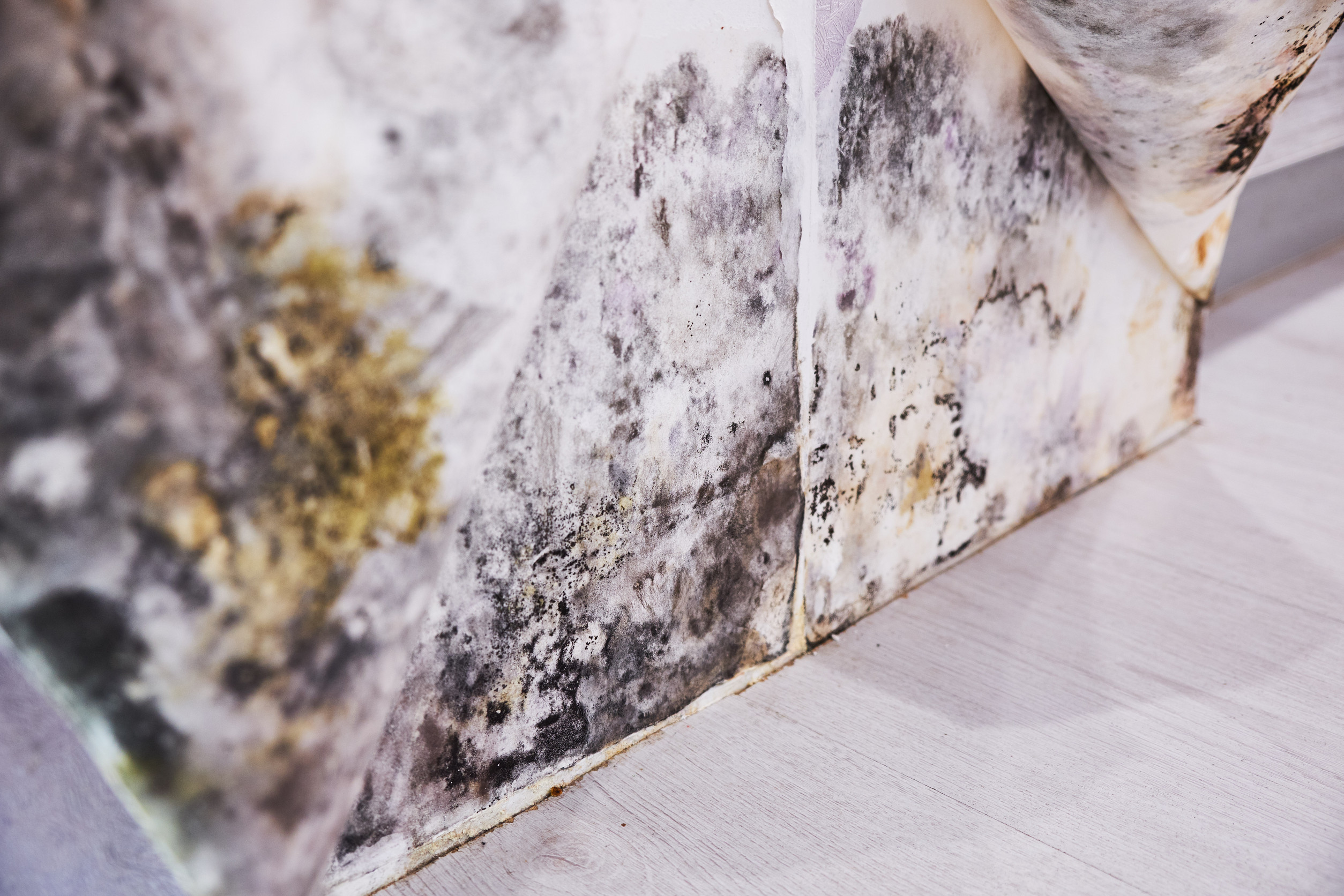
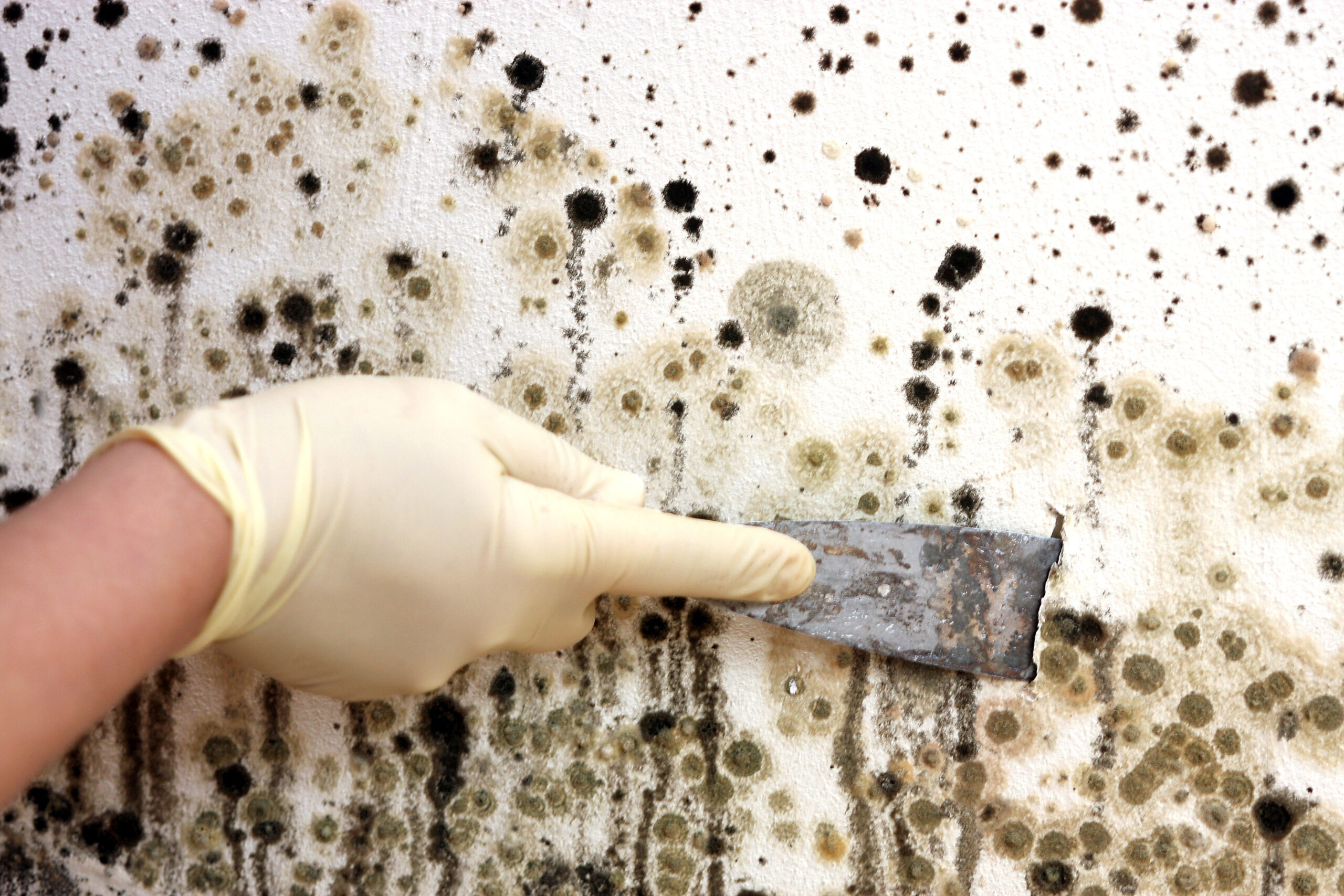
Mold growth is common in indoor environments, particularly in homes and buildings that have experienced water damage or conditions with high humidity. While many people can live or work in mold-contaminated environments without obvious symptoms, others develop significant health problems. This difference in response often raises the question: why do some people get sick from mold exposure while others do not? The answer is complex and involves a combination of genetics, toxic load, the body’s ability to detoxify harmful substances, differences in response between genders, and nervous system resiliency. Unfortunately, some people who suffer from mold-related illness struggle with misunderstanding from family members due to the fact that while their suffering is real, their family member(s) aren’t feeling the effects, and thus, do not comprehend the reality of the impact. It is important to recognize that environmental illness is real, even though its effects vary widely between individuals. Below are a few of the factors influencing mold reactivity between individuals.