Tampa Bay homeowners face mold risk every season. High humidity, storm flooding, and aging housing stock create the right conditions for mold growth indoors. Mold testing gives property owners, managers, and real estate agents the air quality data they need to act. A licensed mold assessor collects air and surface samples from areas of concern. An accredited lab analyzes each sample for spore count and species. The written report tells you what is present, where it is, and what to do next. CMA holds a Florida MRSA license issued by the Florida DBPR, and our every mold testing project runs under CMI and CIE oversight. If your property shows water damage, musty odors, or health symptoms, mold testing is the right first step.
What Is Mold Testing?
Mold testing is a process that collects air and surface samples from a property and sends them to an accredited lab for analysis. A professional mold tester uses air cassettes and swab samples to gather data from suspect areas. The lab identifies mold species and measures spore levels against an outdoor baseline. The result is a written report with lab data and a clear remediation protocol if growth is found.
Mold testing is different from mold inspection. A mold inspection is a visual and physical check for signs of moisture and growth. Mold testing adds lab analysis to that process. Testing tells you what species are present, at what levels, and whether those levels pose a health risk to occupants.
Florida Chapter 468 requires all licensed mold assessors to hold a state MRSA license from the Florida DBPR. CMA meets this requirement on every project, and we guarantee that no unlicensed staff collect samples or sign off on reports.
Why Does Mold Testing Matter in Tampa Bay, FL?
Tampa Bay has a humid climate, where indoor moisture stays above 60% for most of the year. Hillsborough, Pinellas, Pasco, Manatee, and Sarasota counties all face storm flooding, roof leaks, and high indoor humidity as regular risks. Mold spores grow fast in these conditions. Many property owners do not see visible growth until the problem has spread behind walls or into HVAC systems. Mold testing finds the problem before remediation costs rise.
Aging housing stock across Tampa Bay adds another layer of risk. Older buildings use materials that absorb moisture faster and retain it longer. Properties built before 1990 often lack the vapor barriers that newer builds include. A mold testing report gives owners of older properties a clear picture of indoor air quality before health symptoms appear or property value drops.
Who Needs Mold Testing?
The property owners and professionals who need mold testing include homeowners, property managers, real estate agents, or anyone dealing with water damage or health symptoms in Florida’s humid climate.
- Homeowners: Musty odors, visible dark spots, or allergy symptoms that worsen indoors are clear signs. Mold testing gives homeowners lab data to support an insurance claim or remediation brief.
- Property managers: Multi-unit buildings carry tenant safety risk. A mold testing report shows due diligence and gives managers the data to act before legal exposure grows.
- Real estate agents: Pre-listing mold testing protects sellers from post-sale disputes. Buyers use test results to meet Florida disclosure rules and complete due diligence before closing.
What Does Our Mold Testing Process Include?
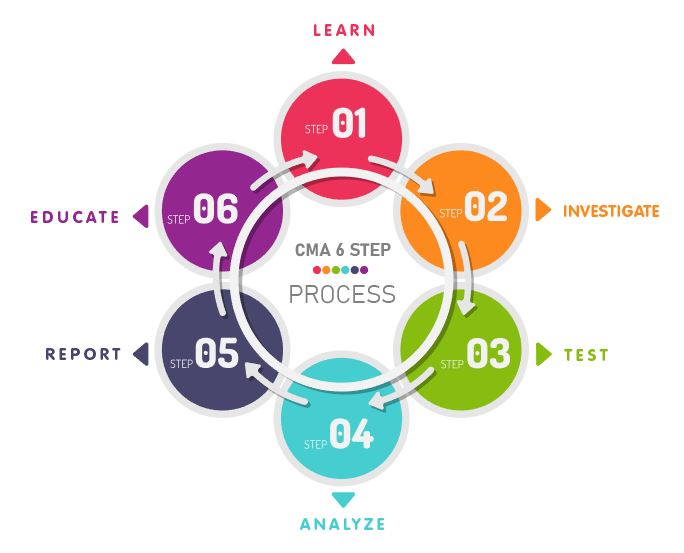
Our mold testing process includes a full site visit, sample collection, lab submission, and a written report with lab results and a remediation protocol where growth is found.
- Site review: The certified mold assessment team walks the full property and flags areas with visible moisture, water stains, or musty odors before sampling begins.
- Air cassette sampling: Air cassettes collect airborne spore data from each room of concern and from one outdoor location as a baseline reference.
- Surface swab sampling: Swab samples collect data from visible growth or suspect surfaces for species-level lab analysis.
- Moisture meter readings: The assessor checks wall and floor moisture levels to map active moisture intrusion across the property.
- Infrared thermal imaging: A thermal camera scans walls and ceilings to locate hidden moisture pockets that standard visual checks miss.
- Lab submission: All samples go to an AIHA-accredited third-party lab with a full chain of custody document.
What Do You Get After Mold Testing?
After mold testing, clients receive a full written package from CMA and the accredited lab.
- Written assessment report: The report covers sample locations, spore count results, species names, and moisture readings from the full site visit.
- Lab analysis results: The AIHA-accredited lab returns species-level data and spore counts with a chain of custody record for each sample.
- Remediation protocol: The report includes a step-by-step remediation brief for your licensed mold remediator to follow for the areas where active growth is found.
- Insurance claim support: The written report and lab results meet the data standard most Florida insurance carriers require to open a mold damage claim.
Other Mold Services We Offer
CMA provides three other mold services in addition to mold testing for Florida property owners.
- Mold Inspection: CMA’s licensed mold assessor conducts a visual and physical check for moisture intrusion, hidden growth, and building conditions that raise mold risk.
- Mold Prevention: CMA assesses ventilation, humidity control, and building materials to identify conditions that allow mold growth before it starts.
- Mold Remediation: CMA provides the signed remediation protocol that a licensed remediator needs to begin safe and compliant mold removal in Florida.
Areas We Provide Our Mold Testing Services In
CMA provides mold testing across all of Florida from its Tampa Bay headquarters office. The team serves the full Tampa Bay region, including Hillsborough, Pinellas, Pasco, Manatee, and Sarasota counties. CMA also covers every Florida county for both residential and commercial projects. For clients outside Florida, CMA accepts national project requests from property managers, legal teams, and multi-site owners.
FAQs
A visual check finds surface growth you can already see. Mold testing finds what you cannot see. If you notice musty odors, recent water damage, or health symptoms that ease when you leave the property, air and surface sampling is the right step. Lab results tell you what species are present and at what levels.
Yes, mold testing requires lab analysis, as without lab analysis, it only confirms that something is present on a surface. AIHA-accredited lab analysis identifies the species, measures spore counts against an outdoor baseline, and produces the data that insurance carriers and remediation contractors require before any work begins.
No, the same company cannot test and remediate mold in Florida, as Florida law requires mold assessors and mold remediators to be separate licensed entities. This legal split protects property owners from a conflict of interest where one company profits from both finding and fixing the problem. CMA assesses and tests molds in all Florida counties.
A standard residential test includes three to six samples, which depend on property size and the number of suspect areas. Each sample covers a specific room or surface. One outdoor air cassette sample always serves as the baseline. Larger homes or commercial properties require more samples for full coverage.
The on-site visit takes one to three hours based on property size. Lab analysis takes three to five business days from the sample submission date. CMA delivers the written report with lab results and remediation protocol within one business day of receiving the lab data.
Yes, mold testing is useful after a Florida storm or flood, as storm flooding and roof leaks create fast moisture conditions that produce mold growth within 24 to 48 hours. Post-storm mold testing gives property owners documentation of the damage for insurance claims and sets the scope for remediation before spore levels spread to other areas of the building.