Mold growth in Florida is a critical problem, as Tampa Bay’s heat, rain, and storm season push indoor moisture to levels that greatly increase mold risks. Mold prevention gives homeowners, property managers, and real estate agents a way to stop that process before it starts. The CMA advisor provides the best tactics for mold prevention and finding the best method for mildew and mold prevention. Additionally, a licensed CMA assessor is available to review your building for the conditions that feed mold growth, such as humidity levels, ventilation gaps, moisture-prone materials, and HVAC performance.
The assessment produces a written prevention plan with specific actions ranked by risk. CMA holds a Florida MRSA license and runs every prevention project under CMI and CIE supervision. Acting before mold grows costs far less than remediation after it spreads. A prevention assessment is the most cost-effective mold service a Florida property owner can book.
What Is Mold Prevention?
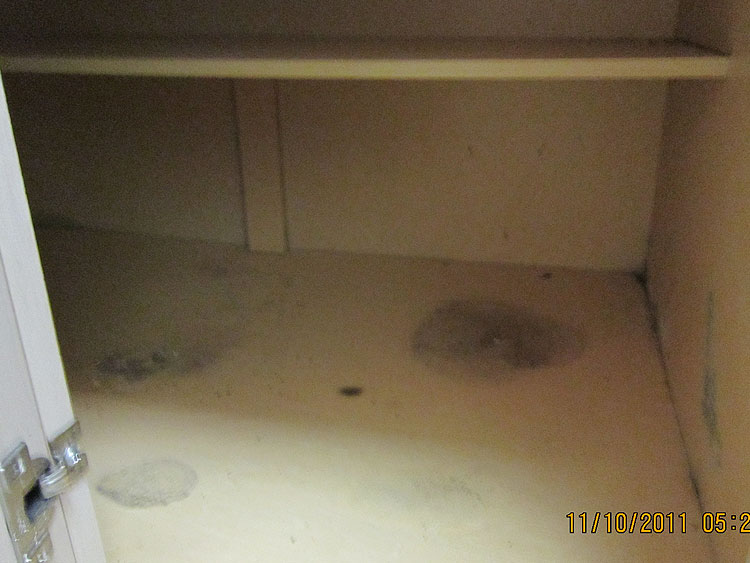
Mold prevention is a process that identifies the building conditions that allow mold to grow and produces a plan to correct them before active growth begins. A licensed mold assessor reviews ventilation, indoor humidity, building materials, moisture barriers, and drainage patterns across the full property. The output is a written risk report with ranked actions the property owner can take to reduce mold growth risk.
Mold prevention is different from mold inspection and mold testing. Inspection and testing respond to conditions that already exist on a property, while prevention is proactive. The assessor looks for the inputs that feed mold growth instead of the growth itself. This distinction matters most in Florida, where the climate creates constant pressure on indoor moisture control.
Florida Chapter 468 requires that any licensed assessment of mold risk be conducted by a MRSA-licensed assessor issued by the Florida DBPR. CMA holds that license and applies it to prevention assessments the same way it applies to inspection and testing projects.
Why Does Mold Prevention Matter in Tampa Bay, FL?
Tampa Bay is one of the most mold-prone regions in the United States. Indoor humidity across Hillsborough, Pinellas, Pasco, Manatee, and Sarasota counties exceeds 60% for the majority of the year. Hurricane season brings stormwater into buildings through roofs, window seals, and foundation gaps. Every moisture event can trigger mold growth in wall cavities, under flooring, and inside HVAC systems in 24 to 48 hours. Mold prevention removes this risk before growth starts.
The financial case for prevention in Tampa Bay is direct. Mold remediation in Florida costs between $1,500 and $6,000 for a standard residential job and increases above that for HVAC systems or large commercial spaces, while a prevention assessment costs a fraction of that figure. Property owners who act on prevention findings avoid remediation costs entirely in most cases. For landlords and property managers, a written prevention plan also documents due diligence against tenant health claims.
Who Needs Mold Prevention?
The property owners and professionals who need mold prevention include anyone managing Florida property in a climate where moisture control is an ongoing challenge.
- Homeowners: New Florida residents, owners of older buildings, and anyone who has dealt with past water damage all carry a high mold risk. A prevention plan gives homeowners specific fixes ranked by urgency before any mold growth appears.
- Property managers: Multi-unit buildings concentrate moisture risk across shared walls, HVAC systems, and common areas. A prevention assessment gives managers a written action plan and a documented record of proactive risk management.
- Real estate agents: A prevention assessment adds value to a pre-listing package and shows buyers that the seller has taken active steps to control mold risk and gives agents a factual basis for addressing indoor air quality questions during a sale.
What Does Our Mold Prevention Process Include?
Our mold prevention process includes a full property risk review, moisture and ventilation assessment, building material evaluation, and a written prevention plan with ranked corrective actions.
- Property risk intake: The CMA team reviews the property’s age, build type, past water events, and any prior mold history before the site visit begins.
- Indoor humidity assessment: The assessment team measures indoor humidity across all rooms and flags zones where levels exceed the 50 to 60% threshold that supports mold growth.
- Ventilation review: Every exhaust point, intake vent, and air handling unit gets a thorough check for airflow rate and blockage that limits fresh air circulation.
- Building material review: The mold assessor checks walls, flooring, insulation, and ceiling materials for moisture retention risk and flags materials that need replacement or sealing.
- Moisture barrier inspection: Foundation walls, crawl spaces, and roof interfaces are checked for gaps in vapor barriers and waterproofing that allow moisture to enter the building envelope.
- HVAC and duct review: The assessor checks the HVAC system for condensation buildup, dirty coils, and duct leaks that introduce moisture and distribute it through the building.
- Written prevention plan: The client receives a ranked action plan with specific steps, target areas, and urgency levels based on the full site assessment.
What Do You Get After Mold Prevention?
After a mold prevention assessment, clients receive a practical written plan backed by on-site data from a licensed CMA assessor.
- Written risk report: The report covers humidity readings, ventilation gaps, material risk, and moisture barrier findings from every area the mold assessor reviewed on site.
- Ranked action plan: The professional team lists every corrective action in order of urgency so property owners and managers know which fixes to address first for the greatest risk reduction.
- HVAC and duct findings: Where the HVAC system carries moisture risk, the report includes specific findings on coil condition, drain pans, and duct integrity to guide the property owner’s next steps.
- Ongoing risk baseline: The prevention report creates a documented baseline of building conditions. Property owners can use it to track changes over time or present it to insurers and buyers as evidence of active moisture management.
Other Mold Services We Offer
CMA provides other mold services in addition to mold prevention for Florida property owners.
- Mold Testing: A licensed mold assessment team collects air and surface samples and sends them to an AIHA-accredited lab for species ID and spore count results.
- Mold Inspection: A licensed assessor conducts a full physical review of a property for visible mold growth and active moisture intrusion sources.
- Mold Remediation: CMA produces the signed remediation protocol that a licensed remediator needs to begin safe and compliant mold removal on a Florida property.
Areas We Provide Our Mold Prevention Services In
CMA delivers mold prevention assessments across all of Florida’s counties. Our professional mold assessment team covers the full Tampa Bay region and serves every Florida county for both residential and commercial properties. CMA also accepts prevention project requests from property owners and managers outside Florida. Contact CMA to confirm scheduling and site access for your location.
FAQs
No assessment or plan removes the risk of mold growth completely in Florida’s humid climate. A prevention plan reduces that risk by fixing the specific conditions that allow mold to grow on your property. Taking care of ventilation gaps, moisture intrusion, and high indoor humidity significantly reduces the likelihood of active mold growth.
Mold prevention targets building conditions before active growth starts, while mold remediation removes growth that already exists. Prevention is proactive and costs far less, while remediation responds to a confirmed problem and requires a licensed remediator with containment equipment. Most Florida property owners who invest in prevention avoid the need for remediation completely.
Mold grows when indoor humidity stays above 60% for extended periods. In Tampa Bay, that level is common without active dehumidification and proper ventilation. CMA’s prevention assessment measures humidity across every room and flags any zone above that threshold as a priority area in the written action plan.
Yes, CMA’s mold prevention plan covers HVAC systems, as our licensed assessor reviews HVAC units, coils, drain pans, and duct runs during every prevention assessment. HVAC systems are a primary source of moisture in Florida buildings. Condensation on coils and blocked drain pans creates standing water that feeds mold growth inside the system and spreads spores through every connected room.
Most Florida properties qualify for a prevention assessment once a year. Properties in flood zones or with older HVAC systems should be assessed after every major storm event. Landlords who manage multi-unit buildings benefit from a prevention review at the start of each year to catch seasonal moisture risks early.
Yes, a mold prevention assessment is useful for a newly built Florida home, as new builds in Florida carry moisture risk from day one due to the climate. Construction moisture trapped inside walls during the build process can feed early mold growth. A prevention assessment on a new property establishes a clean baseline and identifies any ventilation or material issues before occupancy begins.