
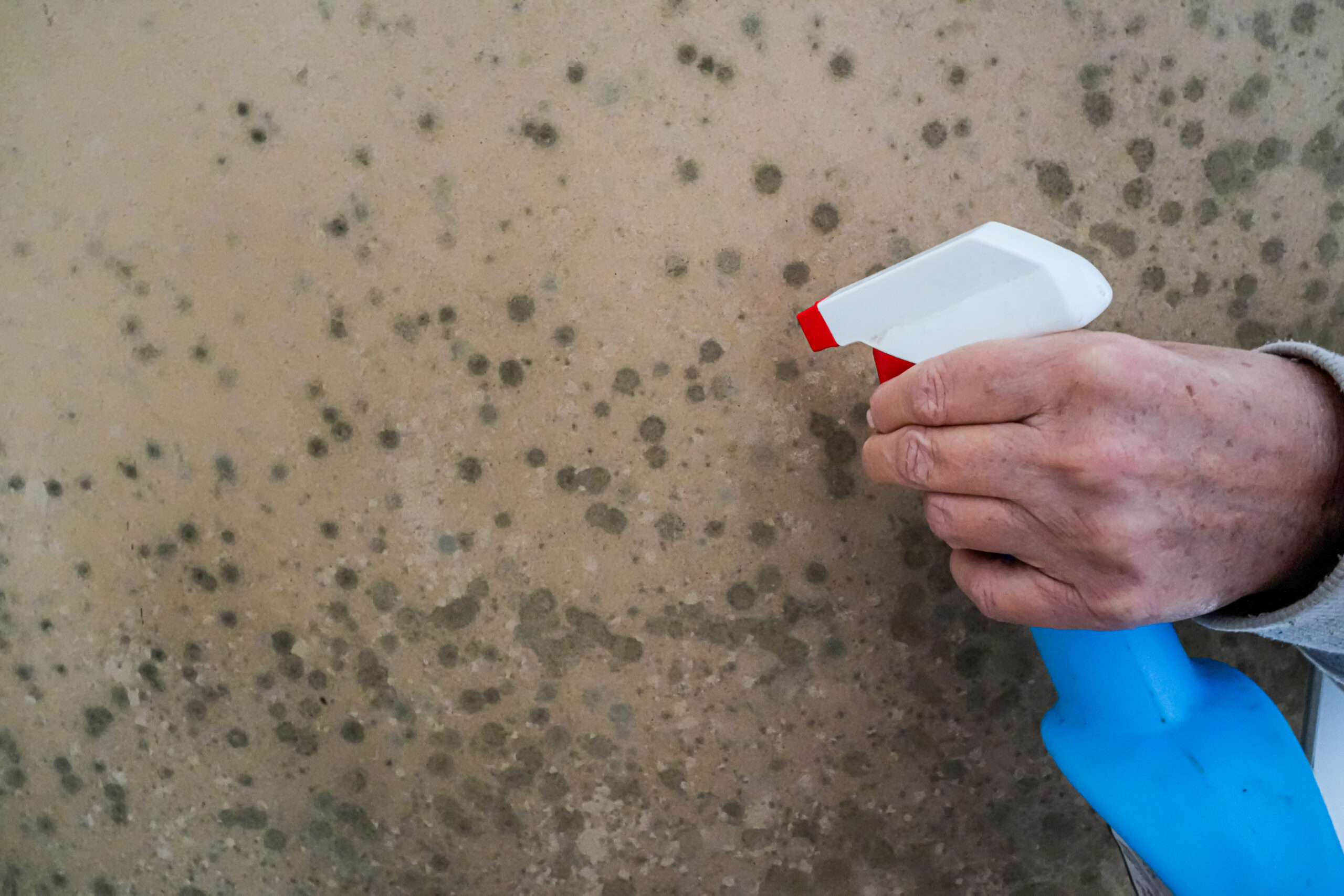
Mold growth is common in indoor environments, particularly in homes and buildings that have experienced water damage or conditions with high humidity. While many people can live or work in mold-contaminated environments without obvious symptoms, others develop significant health problems. This difference in response often raises the question: Why do some people get sick from mold exposure while others do not? The answer is complex and involves a combination of genetics, toxic load, the body’s ability to detoxify harmful substances, differences in response between genders, and nervous system resiliency. Unfortunately, some people who suffer from mold-related illness struggle with misunderstanding from family members due to the fact that while their suffering is real, their family member(s) aren’t feeling the effects, and thus, do not comprehend the reality of the impact. It is important to recognize that environmental illness is real, even though its effects vary widely between individuals. Below are a few of the factors influencing mold reactivity between individuals.
Genetics
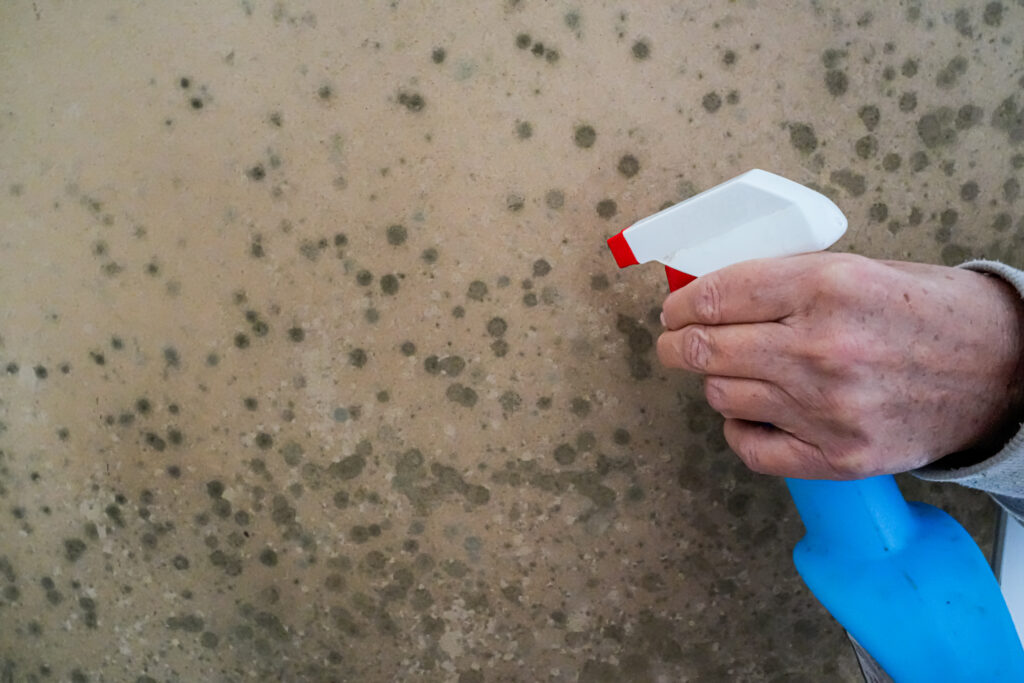
Mold Can And Does Cause Illness
One of the most important factors influencing mold illness is genetics. Research suggests that approximately 20–25 percent of the population carries certain genetic variations, particularly within the HLA-DR gene family, that make it difficult for the immune system to recognize and eliminate biotoxins (such as mold toxins). When individuals who carry these genetic traits are exposed to mold, their immune systems may fail to properly clear toxins from the body as efficiently as those without the genetic variants. Instead of being removed properly, the toxins can recirculate, sometimes leading to chronic inflammation and a wide range of symptoms. These genetic variations help to explain why two people living in the same home may experience completely different outcomes in their health.
Toxic load
Toxic load plays an imperative role. The idea of toxic load refers to the total burden of stressors and toxins the body is managing at any given time. We are faced with many bodily stressors in this day and age. These stressors may include infections, chemicals, chronic viruses, heavy metals, chronic stress, poor diet, and/or lack of sleep. When the body is already dealing with numerous challenges, mold exposure may act as the tipping point that overwhelms the system. In contrast, someone with a lower toxic load and stronger overall health may tolerate the same exposure with fewer or no symptoms. This can also be true for those with underlying immune dysfunction, asthma, and/or allergies. In these cases, mold exposure can provoke immune responses such as allergic reactions, inflammation or conditions like mast cell activation (issues with histamine breakdown). Those who have high toxic load and/or underlying conditions may have reactions to mold exposure that lead to symptoms including respiratory problems, sleep disturbances, sinus congestion, fatigue, and headaches (just to name a few).
Detox ability
Many people have heard the catchy term “detox”. In the case of mold illness, proper detox is imperative. “Detox” refers to the body’s ability to detoxify harmful substances. The liver, kidneys, gut, and lymphatic system work synergistically to remove toxins from the body. When an individual is carrying a high toxic load or if these systems are impaired due to gut dysfunction, nutritional and mineral deficiencies, chronic illness, or genetic variations affecting certain pathways (including but not limited to the HLA pathways and MTHFR pathways), mold toxins may accumulate rather than being eliminated properly. Over time, this buildup can contribute to persistent symptoms and systemic inflammation.
Female & Male differences
There is evidence to indicate that females are more likely to be impacted by mold toxins than males. Why is this?- This is due to hormonal, immune, and biological differences. In general, women have stronger and more reactive immune responses than men. While this can be
beneficial for fighting infections, it can also make women more prone to inflammatory and immune-related conditions. Women are significantly more likely to develop autoimmune diseases, and they may also be more sensitive to environmental triggers such as mold toxins. When exposed to mold, the immune system in some women may respond more aggressively, leading to inflammation and thus, persistent symptoms. Hormones also play an imperative role. Estrogen, one of the primary female hormones, influences immune function and inflammatory pathways in the body. Research has suggested that estrogen can intensify immune and inflammatory responses. Mycotoxins produced by mold spores may interact with these pathways, potentially amplifying symptoms in individuals with higher estrogen levels. Hormonal fluctuations throughout the menstrual cycle, pregnancy, and perimenopause can also influence how the body reacts to environmental toxins. Another contributing factor may be toxin storage. Certain toxins, including some mycotoxins, are fat-soluble, which means they can be stored in body fat. Because women naturally have a higher body fat percentage than men on average, toxins may remain in the body for extended periods of time. This prolonged storage can lead to ongoing exposure within the body even after the initial environmental exposure decreases.
Nervous system dysregulation
Many people have heard of the importance of proper nervous system function, as it is being widely talked about today. The nervous system may play a role in how people’s bodies experience mold exposure. Some people have more resilient nervous systems than others. A robust nervous system is usually more capable of eliminating toxins and hindering reactions to all types of stressors (including mold toxins). Others may have a more sensitive nervous systems due to upbringing, genetics, or past trauma. A dysregulated nervous system leaves patients much more challenged by immune stressors and, therefore, much more likely to be highly sensitive to stressors and toxins. Certain mold toxins are also known to affect neurological function and create inflammation in the brain. This means individuals with more sensitive or dysregulated nervous systems may experience symptoms such as brain fog, anxiety, difficulty concentrating, and sleep disturbances. These neurological effects can significantly impact quality of life and may persist even after exposure ends. Essentially, it is a chain reaction. Those with sensitive nervous systems can be more challenged by mold toxins, and mold toxins can also make their nervous systems more dysregulated.
To piece it all together, the reason some people become chronically ill or symptomatic from mold while others remain unaffected is not due to just one factor. Rather, it is the result of a complex interaction between genetics, immune function, toxic load, exposure levels, detoxification capacity, differences in gender response, and nervous system capacity. Having an understanding of these factors helps explain why mold illness affects individuals differently and emphasizes the importance of addressing both environmental exposure and individual health when evaluating potential mold-related illness.