Active mold growth in a Florida property requires a structured removal process. Tampa Bay’s humidity, storm flooding, and aging housing stock make mold remediation one of the most common property health needs in the region. Homeowners, property managers, and real estate agents all face situations where confirmed mold growth demands a documented and compliant removal plan.
Florida law requires that the assessor and the remediator be separate licensed entities. CMA produces the signed remediation protocol that a licensed mold remediator must have before any removal work begins. Every CMA protocol is written by a CMI and CIE-supervised assessor under a Florida MRSA license. The protocol sets the scope, the containment method, and the clearance standard that the remediator must meet.
Mold Remediation Treatment Explained
What Is Mold Remediation?
Mold remediation is a process that removes active mold growth from a property using containment, physical removal, HEPA filtration, and antimicrobial treatment. A licensed mold remediator carries out the physical work, where the process follows a written remediation protocol produced by a separate licensed mold assessor. That protocol defines the scope of work, the containment method, the disposal process, and the air quality standard the property must meet before clearance is granted.
Florida law under Chapter 468 separates the roles of mold assessor and mold remediator. One licensed entity assesses and writes the protocol, while a different licensed entity performs the removal. CMA stands on the assessment side of that legal divide, where we write the protocol and conduct the post-remediation clearance test. CMA does not perform the physical removal work.
This separation protects property owners from a direct conflict of interest. A company that assesses and remediates has a financial reason to find more mold than exists. CMA’s independence means the protocol reflects what the data shows and nothing beyond it.
Why Does Mold Remediation Matter in Tampa Bay, FL?
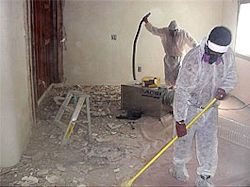
Tampa Bay properties face sustained mold pressure from heat, humidity above 60%, and annual storm events across Hillsborough, Pinellas, Pasco, Manatee, and Sarasota counties. When moisture enters a building and mold establishes growth, it spreads fast. Mold inside wall cavities, under flooring, and in HVAC ducts exposes residents to airborne spores and mycotoxins that trigger respiratory symptoms and worsen conditions for mold-sensitive individuals. Remediation stops that exposure by removing the source under controlled conditions.
The financial cost of delayed remediation in Tampa Bay rises quickly. A contained bathroom or wall patch job runs between $500 and $2,000. An HVAC system with active mold growth costs between $3,000 and $10,000 to clear. Whole-property jobs following storm flooding range from $3,000 to $6,000 or more. An overestimated job inflates cost, while an undersized job misses growth and requires a second round of removal. A properly scoped remediation protocol limits the cost by defining the exact affected area before any work begins.
Who Needs Mold Remediation?
Anyone with confirmed mold growth that exceeds the scope of surface cleaning need mold remediation, such as the following.
- Homeowners: Confirmed growth behind walls, under floors, or inside HVAC systems needs a licensed remediator with containment equipment. A CMA remediation protocol gives the homeowner a scoped work order and a clearance standard to hold the remediator to.
- Property managers: Active mold in a rental unit creates direct tenant health risk and legal exposure. A signed CMA protocol gives property managers a compliant removal brief that documents the scope and meets Florida regulatory requirements before work begins.
- Real estate agents: Mold found during a pre-sale inspection must be addressed before closing in most Florida transactions. A CMA remediation protocol and post-remediation clearance report give agents and their clients the documentation needed to satisfy buyers and lenders.
What Does Our Mold Remediation Process Include?
Our mold remediation process includes a confirmed growth assessment, a written protocol with full scope and containment requirements, and a post-remediation clearance test to verify the work meets the required air quality standard.
- Growth confirmation assessment: The mold assessment team reviews lab results from prior mold testing or conducts new air and surface sampling to confirm the species, location, and extent of active growth.
- Scope definition: The assessor maps the full affected area across the property and defines the boundaries of the remediation work in the written protocol.
- Containment method specification: The mold remediation protocol specifies the containment setup that the remediator must use, like negative air pressure zones and plastic sheeting barriers to stop spore spread during removal.
- Removal and disposal instructions: The protocol also clarifies how contaminated materials must be removed, bagged, and disposed of in line with Florida regulatory requirements.
- HEPA filtration and air scrubbing requirements: The protocol specifies the air scrubber and HEPA filter setup that the remediator must run during and after physical removal.
- Antimicrobial treatment specification: Where surfaces require treatment after removal, the protocol defines the approved antimicrobial product and application method.
- Post-remediation clearance test: After the remediator completes the work, CMA returns to collect air and surface samples and submits them to the AIHA-accredited lab. The clearance report confirms the property meets the required spore level before occupancy resumes.
What Do You Get After Mold Remediation?
After the remediation process, clients receive a complete written record from CMA that covers both the protocol and the clearance verification.
- Signed remediation protocol: The protocol covers the full scope of work, containment method, removal and disposal requirements, and the air quality standard the remediator must meet before clearance.
- Post-remediation clearance report: CMA returns after the remediator finishes and submits new air and surface samples to the AIHA-accredited lab. The clearance report confirms the property meets the required standard.
- Lab clearance data: The AIHA-accredited lab returns species-level spore count data from post-remediation samples. That data confirms the removal was complete and documents the outcome for insurance and legal purposes.
- Insurance and legal documentation: The signed protocol and clearance report meet the data standards that Florida insurance carriers and real estate attorneys require to close a mold damage claim or to satisfy a buyer before closing.
Other Mold Services We Offer
CMA provides three other mold services alongside mold remediation for Florida property owners.
- Mold Testing: CMA’s licensed mold assessment team collects air and surface samples and sends them to an AIHA-accredited lab for species ID and spore count analysis.
- Mold Inspection: Our licensed assessor conducts a full physical review of the property for visible mold growth and active moisture intrusion points.
- Mold Prevention: CMA reviews ventilation, indoor humidity, and building materials to identify the conditions that allow mold to grow before it starts.
Areas We Provide Our Mold Remediation Services In
CMA provides mold remediation protocol and clearance services across all of Florida from its Tampa Bay office. Our trained mold assessment team covers the full Tampa Bay region and serves every Florida county for residential and commercial projects. CMA also works with property managers, attorneys, and insurance adjusters on remediation protocol and clearance projects outside Florida. Contact CMA to confirm scheduling and scope review for your location.
FAQs
Florida law requires mold assessors and mold remediators to hold separate licenses and operate as separate entities. CMA writes the remediation protocol and conducts the post-remediation clearance test, while a different licensed mold remediator performs the physical removal. This legal separation protects property owners from a conflict of interest in the assessment process. CMA provides mold remediation guides and online resources, and recommends various mold remediation contractors based on the client’s needs.
A remediation protocol is a written work order produced by a licensed mold assessor that defines the scope, containment method, removal process, and clearance standard for a mold removal job. Florida law requires a signed protocol before a licensed remediator can begin work on a confirmed mold growth area above ten square feet.
CMA conducts a post-remediation clearance test after the remediator finishes the work. The assessor collects new air and surface samples and submits them to the AIHA-accredited lab. The clearance report confirms that spore levels meet the required standard before occupants return to the affected area of the property.
Remediation costs in Florida range from $500 to $2,000 for small contained jobs and increase to $3,000 to $10,000 for HVAC systems or large affected areas. A properly scoped CMA protocol limits cost by defining the exact work required.
Yes, mold can grow back after remediation, as remediation removes active growth but does not fix the moisture source that caused it. If the underlying moisture problem persists, mold will return. CMA’s remediation protocol identifies the moisture source alongside the removal scope. Property owners who address that source after remediation and follow up with a prevention assessment avoid repeat growth.
Yes, Florida guidelines require post-remediation verification and clearance by a licensed mold assessor before an affected area returns to normal use. CMA conducts that verification using air and surface sampling submitted to an AIHA-accredited lab. The signed clearance report satisfies insurance carriers, lenders, and property management requirements for re-occupancy confirmation.